Essays
-
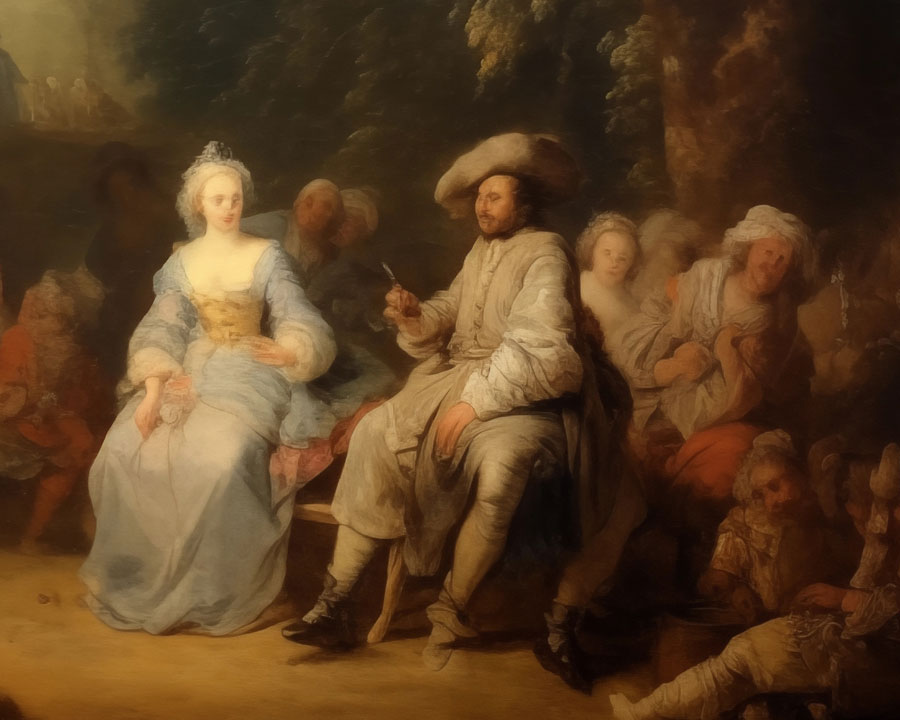
Oliver Wunsch, “Imagine Watteau,” in Breaking the Silence: Methods of Writing Art History, ed. Caroline Fowler (Clark Art Institute / Yale University Press, 2025), 240–49.
Artificial intelligence promises to transform the field of art restoration, offering the possibility of reconstructing works long thought lost. In an admittedly unscientific experiment, I use Midjourney to simulate Antoine Watteau’s missing… -
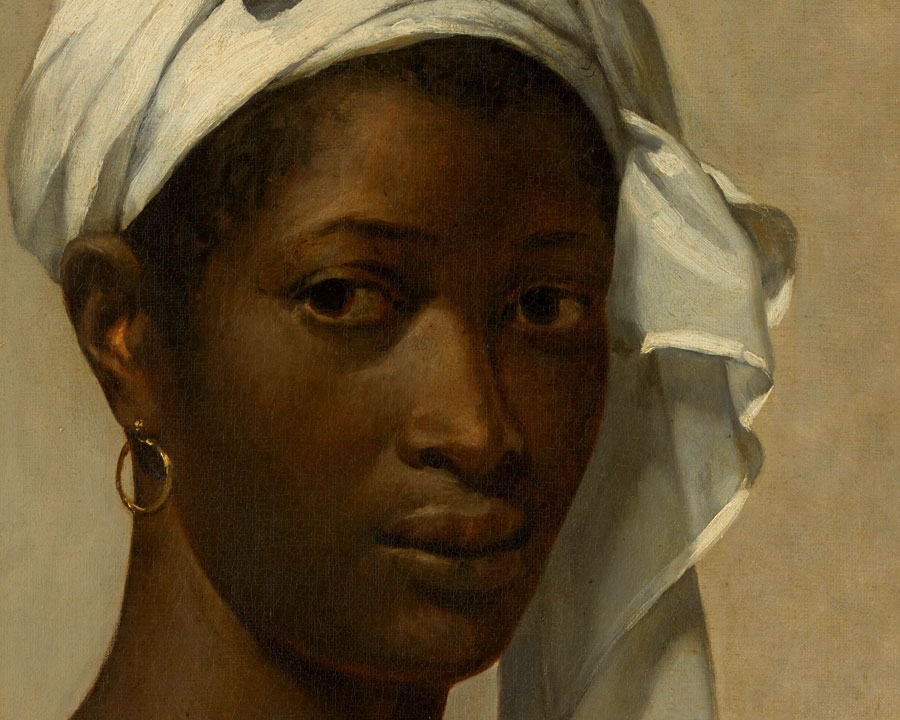
Oliver Wunsch, “The Aesthetic Redemption of the Black Body in Eighteenth-Century France,” Art History 48, no. 1 (February 2025): 14–44.
Audiences in eighteenth-century France felt little compunction about admiring African people in art while denigrating them in life. They reconciled this apparent contradiction through a belief in the ameliorative effects of art,… -
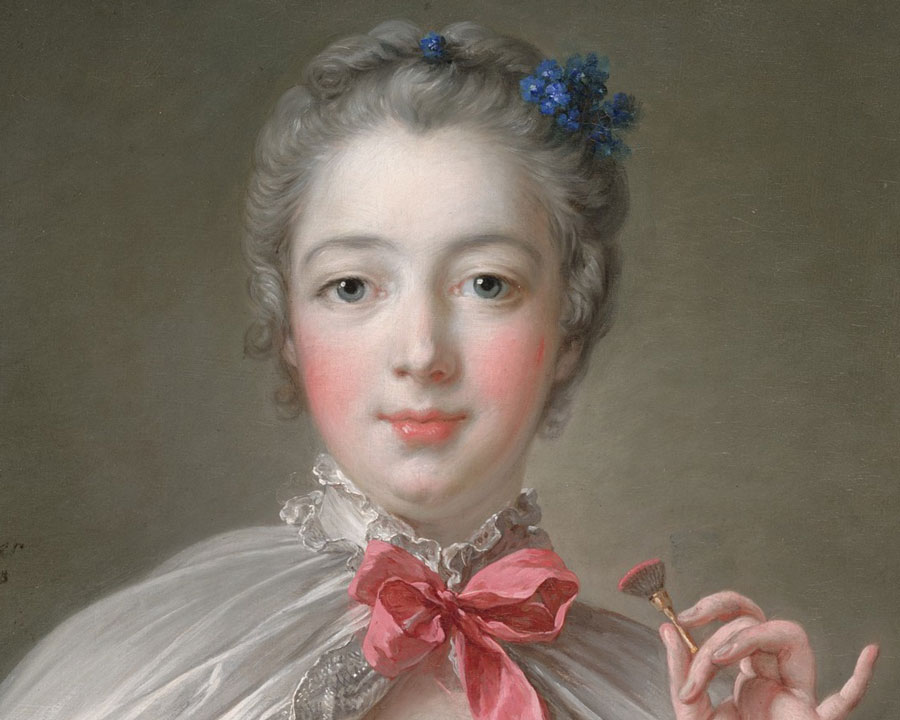
Oliver Wunsch, “Making up Race: Whiteness, Pinkness, and Pompadour,” in Madame de Pompadour: Painted Pink, ed. A. Cassandra Albinson (Harvard Art Museums / Yale University Press, 2022), 74–85.
This essay reinterprets François Boucher’s portrait of Madame de Pompadour at her toilette by asking what it meant, in mid-eighteenth-century France, to paint oneself pink. Situating the work within the rise of… -
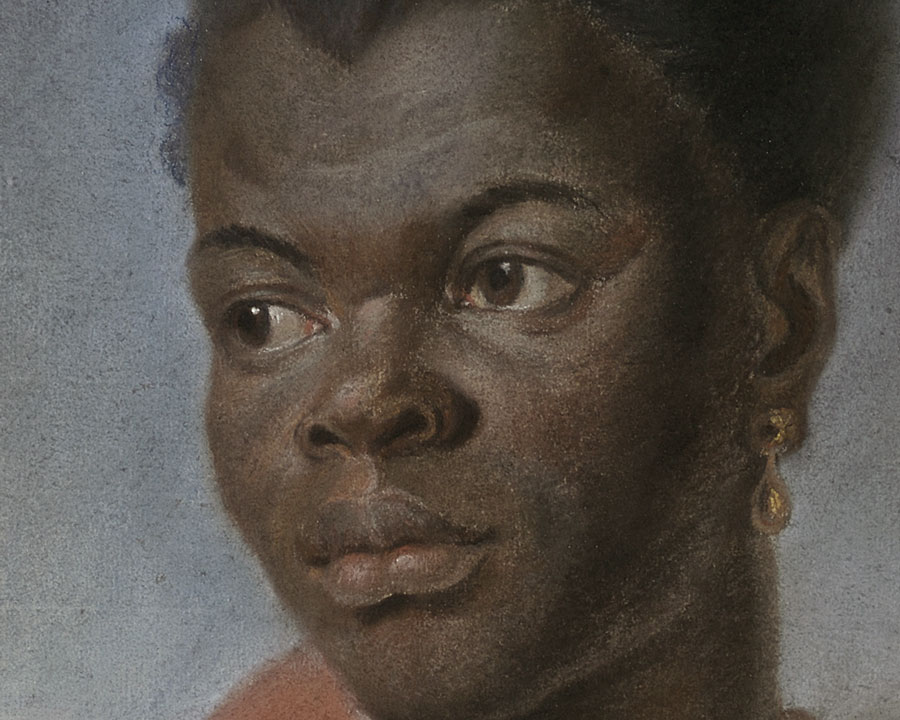
Oliver Wunsch, “Discriminating Taste: Skin Color and Connoisseurship in Eighteenth-Century France,” H-France Salon 15, no. 8 (2022): 1–12.
Focusing on Maurice-Quentin de La Tour’s 1741 pastel of a Black man, this essay considers the relationship between eighteenth-century connoisseurship and the study of dermal difference. Rather than treating the pastel as… -
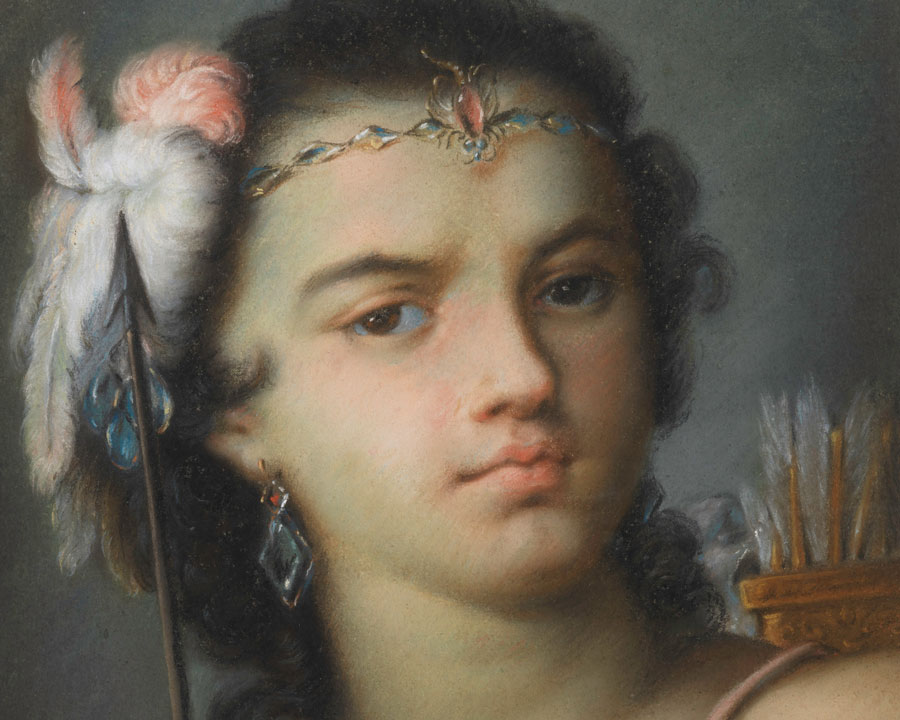
Oliver Wunsch, “Rosalba Carriera’s Four Continents and the Commerce of Skin,” Journal18, no. 10 (Fall 2020).
Rosalba Carriera’s Four Continents stand out from allegorical tradition for their unusual attention to facial complexion. Carriera’s approach owed much to the distinctive characteristics of her chosen medium. Pastel, because of its… -
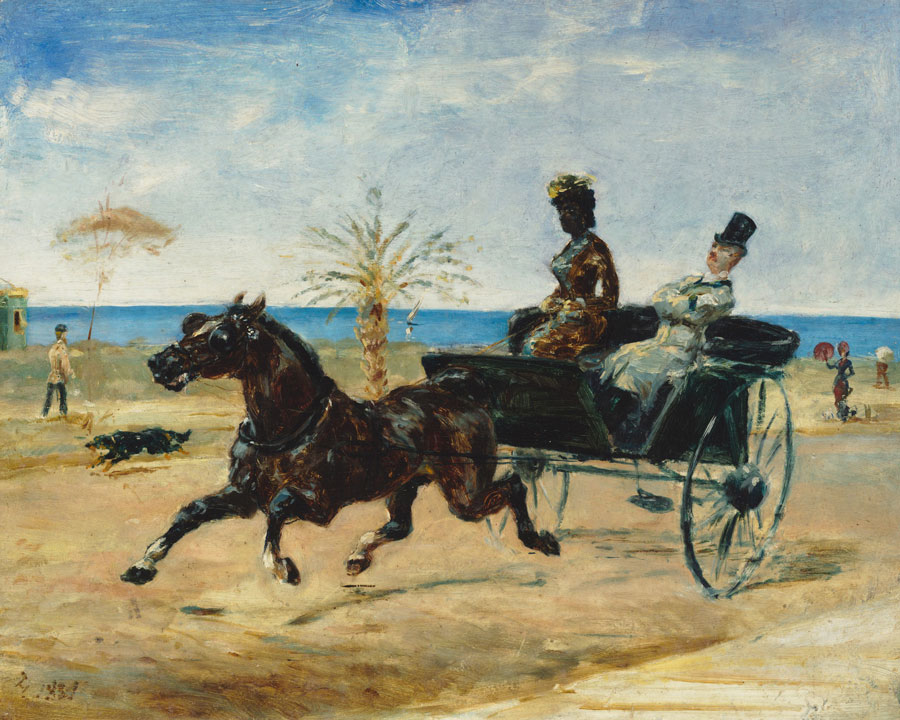
Oliver Wunsch, “Henri de Toulouse-Lautrec’s ‘Black countess’ identified,” The Burlington Magazine 161, no. 1398 (October 2019): 840–845.
Henri de Toulouse-Lautrec’s 1881 painting The Black Countess portrays a Black woman speeding along the coast of Nice. For more than a century, her identity remained unknown. By cross-referencing newspaper reports against… -
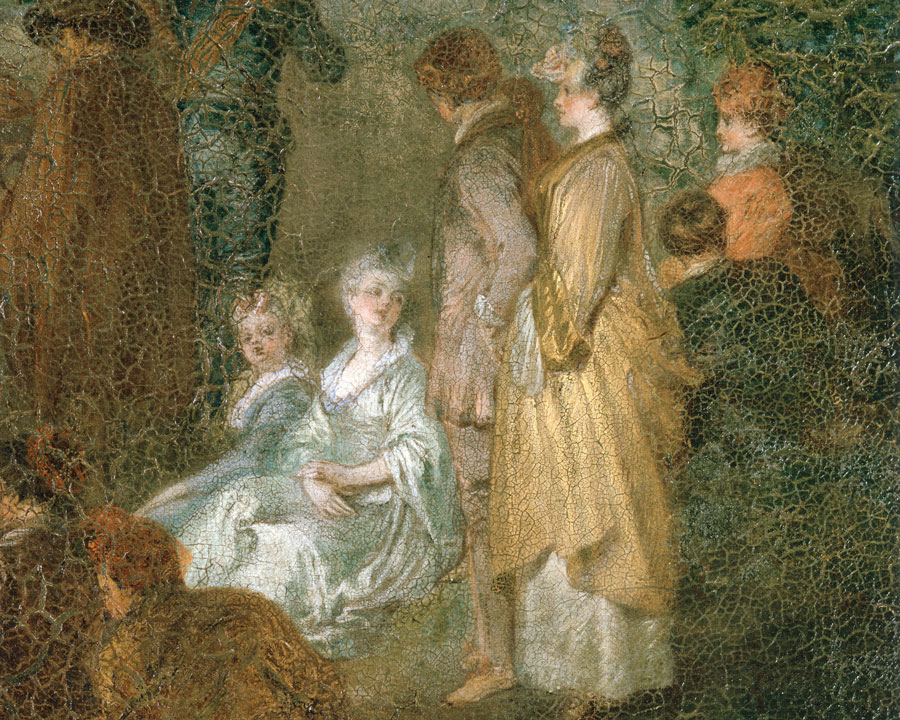
Oliver Wunsch, “Watteau, through the Cracks,” The Art Bulletin 100, no. 2 (June 2018): 37–60.
Antoine Watteau’s paintings decayed rapidly. Soon after his death, his contemporaries bemoaned the cracks ravaging his works. They regarded the problem as the product of Watteau’s restless character, noting that his shortsighted… -
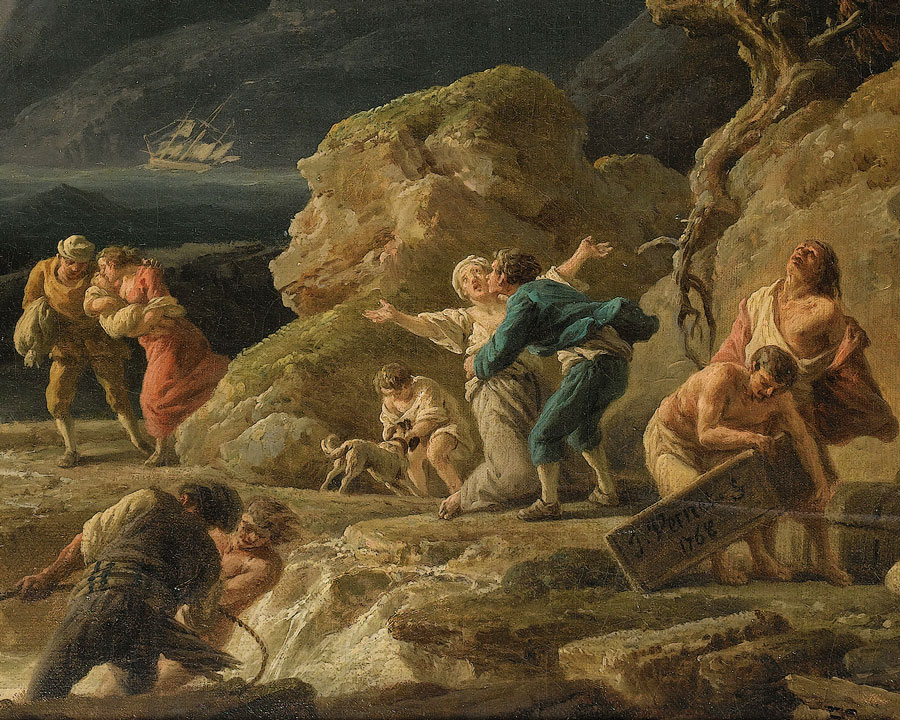
Oliver Wunsch, “Diderot and the Materiality of Posterity,” Early Modern French Studies 40, no. 1 (2018): 63–78.
Art decays over time, so why should artists put faith in posterity? This question became a major source of disagreement in the correspondence between Denis Diderot and the sculptor Étienne-Maurice Falconet. For… -
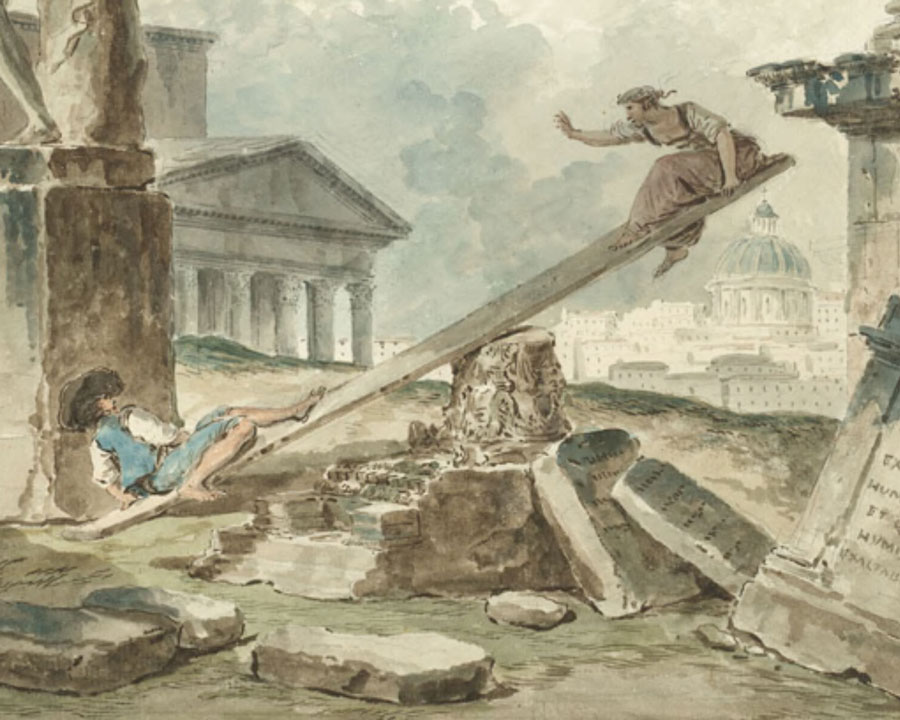
Oliver Wunsch, “Time,” in Drawing: The Invention of a Modern Medium, ed. Ewa Lajer-Burcharth and Elizabeth Rudy (Harvard Art Museums, 2017), 162–71.
Written for the 2017 exhibition Drawing: The Invention of a Modern Medium at the Harvard Art Museums, this essay considers how drawing registers the experience of time. I focus on works by… -
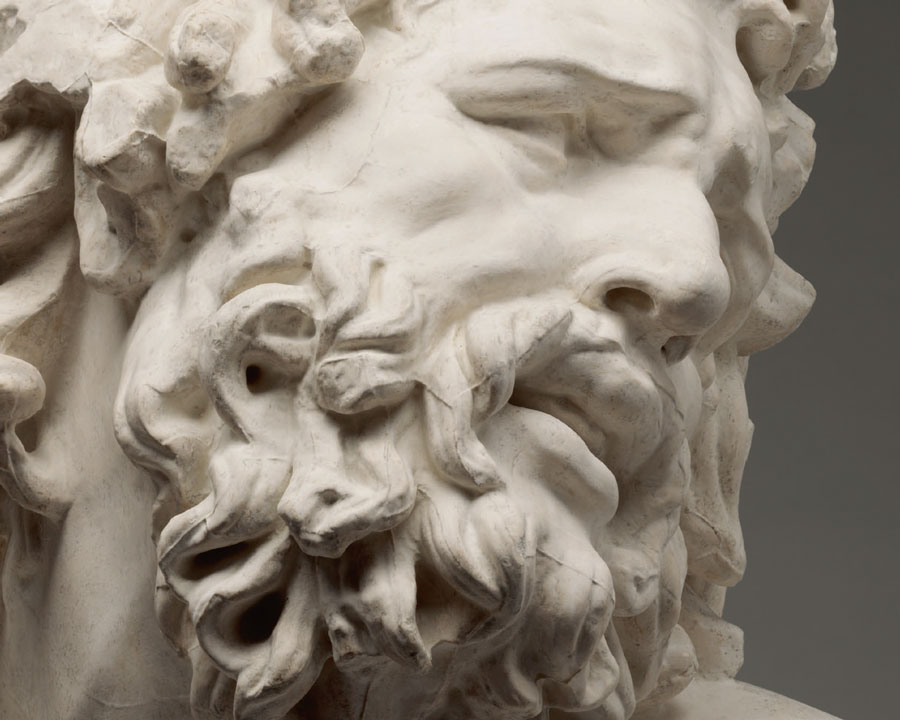
Oliver Wunsch, “Decay,” in The Philosophy Chamber: Art and Science in Harvard’s Teaching Cabinet, 1766–1820, ed. Ethan Lasser (Harvard Art Museums / Yale University Press, 2017), 211–21.
This essay, which accompanied the 2017 exhibition The Philosophy Chamber at the Harvard Art Museums, examines the role of decay in the early history of Harvard’s collections. Through case studies ranging from…