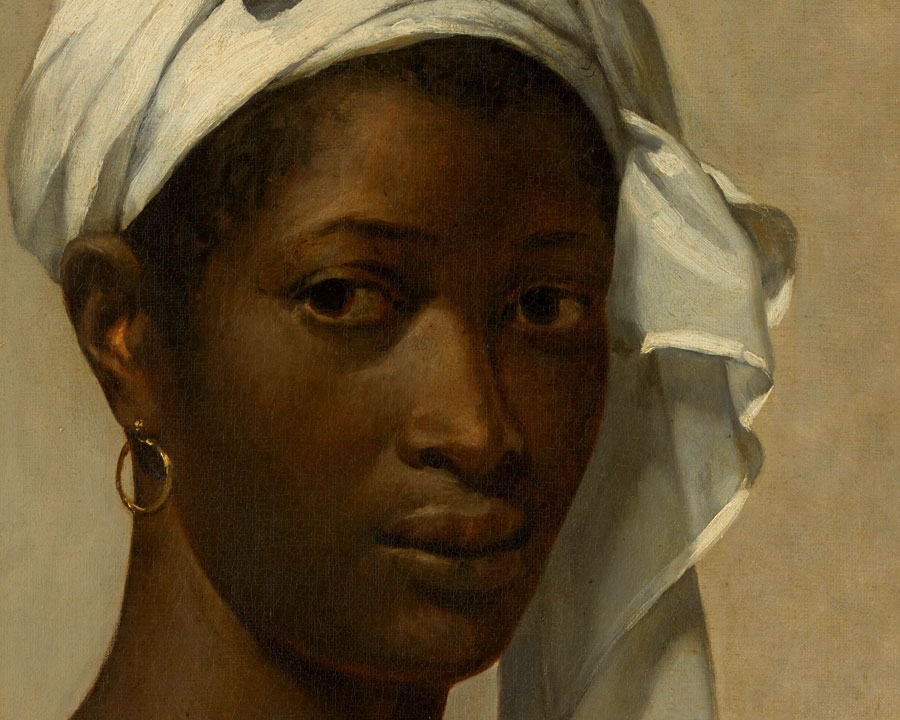
The Aesthetic Redemption of the Black Body in Eighteenth-Century France
Abstract
Audiences in eighteenth-century France felt little compunction about admiring African people in art while denigrating them in life. They reconciled this apparent contradiction through a belief in the ameliorative effects of art, yielding what is described here as a theory of aesthetic redemption. This essay argues that the theory of aesthetic redemption that developed in eighteenth-century France gave art a unique position in the construction of race. Because those who believed in the possibility of aesthetic redemption distinguished between art’s content and its manner of representation, they created the conditions for artists to depict people of colour using materials, techniques, and formal structures whose qualities would otherwise be considered at odds with the subject. The resulting art often strikes audiences today as progressive, yet it did little to challenge the biases of the original viewers, who admired aesthetic departures from stereotypes precisely because they took those stereotypes for granted.